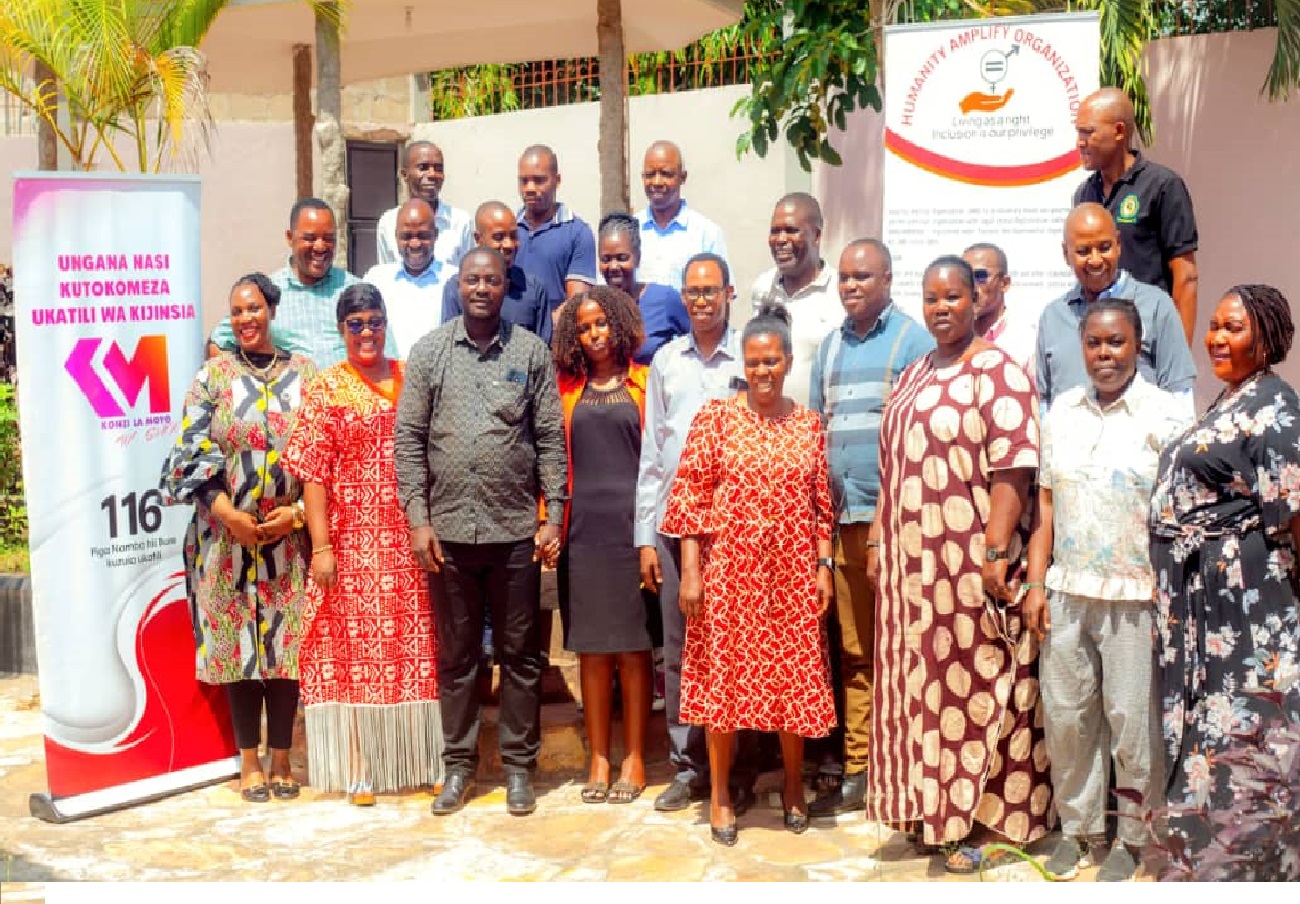
HUMANITY AMPLIFY ORGANIZATION (HAO) NGO
Humanity Amplify Organization (HAO) is a non-governmental organization committed to advancing the rights and well-being of women, young people, and children while promoting gender equality, community health, environmental protection, and sustainable development.
HAO works with communities and strategic partners to address interconnected social, health, and environmental challenges through two key program areas: Ecosystem-Based Adaptation (EbA) for Climate Resilience and Sexual and Reproductive Health and Rights (SRHR).
Through community-led initiatives, advocacy, capacity building, and partnerships, we support inclusive solutions that strengthen community resilience, protect essential ecosystem services, improve access to health information and services, and create opportunities for vulnerable populations to thrive.
OUR VISION
To build a just, inclusive, and sustainable community where women, youth, and all stakeholders actively promote gender equality, quality education, improved health, and environmental stewardship at the local level.
OUR MISSION
To advance the rights and well-being of women, youth, and children by promoting policy reforms, strengthening health and education systems, supporting environmental protection, and challenging harmful societal norms. Through strategic partnerships and impactful programs, we empower individuals, families, and communities to overcome barriers, embrace diversity, and champion gender equality and sustainable development for all.
OUR PROGRAMS
1. Ecosystem-Based Adaptation for Climate Resilience
Restoring nature. Strengthening livelihoods. Building resilience.
Humanity Amplify Organization recognizes that climate hazards, ecosystem degradation, and community dependence on natural resources are interconnected challenges that require sustainable, locally appropriate solutions.
Changing rainfall patterns, drought, water stress, intense rainfall, soil erosion, shoreline degradation, and the deterioration of riparian and catchment ecosystems threaten community livelihoods, environmental sustainability, biodiversity, and the well-being of vulnerable populations.
These challenges can disproportionately affect women, young people, children, and households whose livelihoods depend on agriculture, natural resources, and the Lake Victoria ecosystem.
HAO strengthens the capacity of communities to anticipate, withstand, and recover from climate-related shocks while restoring and sustainably managing the ecosystems that support their livelihoods.
Our Ecosystem-Based Adaptation approach combines ecological restoration, sustainable land and water management, local knowledge, and community participation to strengthen climate resilience and protect essential ecosystem services.
Our Key Interventions
Lake Victoria Shoreline Restoration
Supporting the restoration of degraded shoreline areas through locally appropriate native vegetation, community-led protection measures, and sustainable shoreline management to help protect biodiversity and strengthen ecosystem stability.
Stream and Riparian Restoration
Restoring vegetation along streams and watercourses to reduce soil erosion, stabilize riverbanks, protect water resources, and improve habitats for biodiversity.
Catchment Protection
Promoting sustainable land and water management practices that improve water infiltration, reduce surface runoff, minimize erosion, and protect water quality.
Native Vegetation Recovery
Encouraging the regeneration and protection of locally appropriate indigenous plant species to support biodiversity, strengthen ecosystem stability, and improve natural recovery processes.
Agroforestry and Climate-Resilient Livelihoods
Integrating suitable trees with agricultural production to improve soil protection, enhance moisture retention, diversify livelihoods, and strengthen the resilience of farming households to climate variability.
Community Capacity Building
Equipping communities, particularly women and young people, with practical knowledge and skills in climate adaptation, ecosystem restoration, sustainable resource management, and environmental stewardship.
2. Sexual and Reproductive Health and Rights (SRHR)
Promoting health. Protecting rights. Empowering choices.
HAO promotes sexual and reproductive health and rights by supporting access to accurate information, appropriate health services, community awareness, and rights-based approaches to health and well-being.
We recognize that women, adolescents, and young people may face barriers related to limited information, stigma, discrimination, harmful social norms, and unequal access to health services.
Through community engagement, advocacy, education, and collaboration with relevant stakeholders, HAO works to strengthen awareness, promote informed decision-making, advance gender equality, and support equitable access to respectful and appropriate health services.
Our SRHR initiative focuses on:
- Health education and awareness: Promoting accurate, age-appropriate information on sexual and reproductive health and rights.
- Adolescent and youth empowerment: Supporting young people to access reliable information, participate in decisions affecting their well-being, and understand their rights.
- Women's rights and gender equality: Challenging harmful gender norms and barriers that limit women's and girls' opportunities, dignity, and access to services.
- Access to health information and services: Strengthening community awareness and collaboration with relevant health providers to improve access to appropriate services and referrals.
- Community engagement and advocacy: Engaging families, community leaders, and institutions to address stigma, discrimination, and harmful practices.
- Inclusion and dignity: Promoting respectful, non-discriminatory approaches that recognize the rights and needs of diverse individuals and communities.
OUR APPROACH
HAO believes that sustainable development is most effective when communities participate meaningfully in identifying challenges, designing solutions, and leading local action.
Our work is guided by the following principles:
Community Participation: Engaging local communities in planning, implementation, and monitoring.
Gender Equality and Inclusion: Promoting meaningful participation and equitable opportunities for women, young people, children, and marginalized groups.
Evidence-Informed Action: Combining scientific evidence, local experience, and appropriate traditional knowledge to develop effective solutions.
Strategic Partnerships: Working with government institutions, civil society organizations, community groups, health providers, environmental stakeholders, and development partners.
Sustainability and Resilience: Promoting solutions that strengthen long-term community capacity, protect natural resources, and support sustainable livelihoods.
Accountability and Learning: Monitoring progress, learning from implementation, and improving program quality and effectiveness.